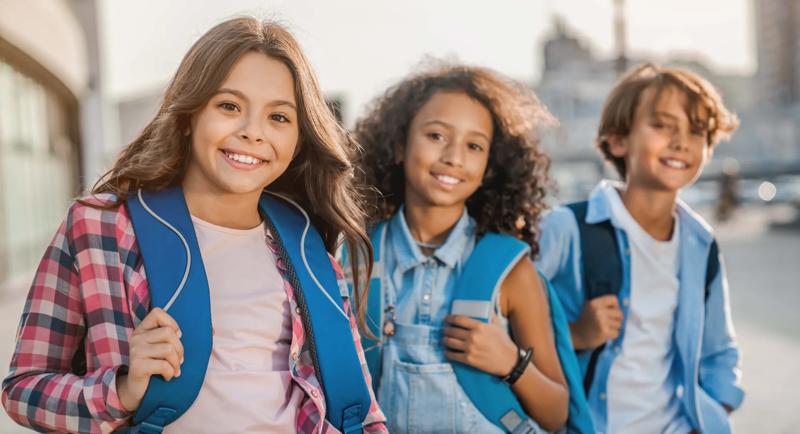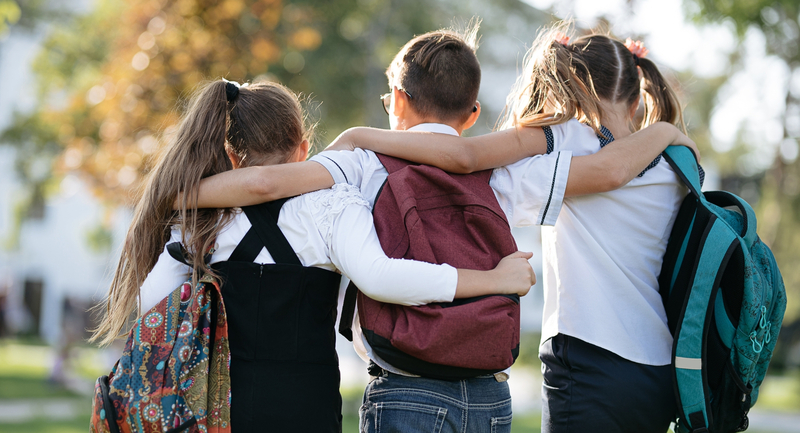
Each year, middle school students enter high school unprepared. Not because they lack the ability to handle it, but because they lack the guidance and support outside of academics. The transition from middle school to high school is the most critical and influential transition period in a teenager's life. We cannot expect students to succeed academically if we fail to prepare them with the mindset, habits, and support to navigate the change.
As an incoming high school senior, I speak from experience. I attend a public high school in Union County, N.C.—the 6th largest school district in the state with around 39,000 students. My classmates and I have all attended school together since preschool, but transitioning to high school is overwhelming when you are not prepared for unfamiliar academic and social situations. Each year, issues such as bullying and vaping highlight how some of us can fall through the cracks. I’ve seen classmates who were known for having the best grades and positive attitudes in middle school start hanging out with different crowds to fit in, drop out of honors classes, want more independence, or keep to themselves. Social media is also an issue, with people posting negative things about students, teachers, and school in general.
When I spent two years tutoring at my former middle school, I also saw how students were unprepared emotionally—from the many questions they asked me about high school to how they handled the changes. Seeing their struggles firsthand made me realize I didn’t need to wait for adults to take action—I could provide guidance myself to make the transition more positive for incoming students.
Charles Martin III leads a peer-support class with 8th grade students on how to smoothly transition to high school.
Preparation Is Personal
I started what I call the High School Readiness Program at my former middle school during my junior year. I took my idea to local classroom teachers and district administration, then built a curriculum of important topics with research professors, classroom teachers, and district and state leaders. The year-long program, which I teach every other morning to 8th grade students, has lessons and activities I developed based on my personal experience and conversations with educators about what students need. I talk about topics like teacher appreciation, bullying prevention, how to use social media positively, drug prevention, time management, academics, and athletics, to name a few. My personal challenge was finding a sport I wanted to do well in, and I was hard on myself when I wasn’t as good as the upperclassmen. I talk to students about how joining a club or sport provides a support system, which is helpful in the first year; once I joined the track team, I realized they wanted to help me get better, not compete with me.
I focus on mindsets for growth and positive perspectives, helping the 8th graders build confidence about moving to high school. Students are passionate about sensitive topics like bullying, vaping, and social media use, so I have them sign up in small groups and talk about ideas for preventing issues. We also prepare on the practical side, including a "registration season" when I help students register for classes. Because teachers and counselors don’t have as much time to sit and explore courses with students, I love being able to answer questions about different classes I’ve actually taken. I also help students build resumes to have ready, which they can use to apply to clubs like National Beta Club or Key Club, and invite students who I taught to come back and speak about their first-year experience.

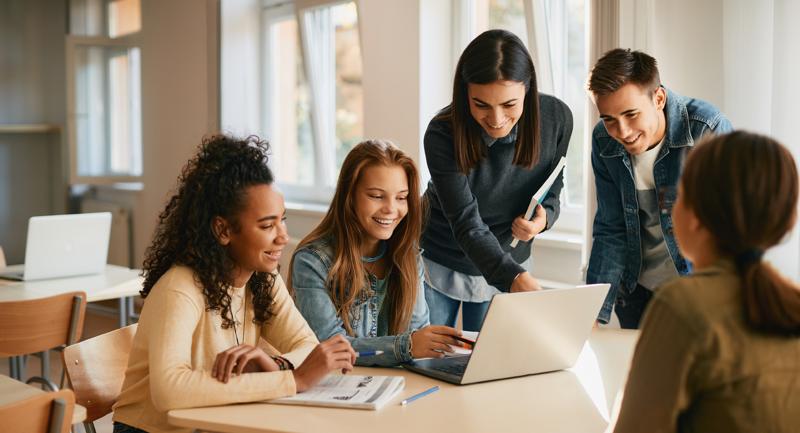
Peer-to-peer learning is one of the most effective learning styles.
There are many reasons a program like this is successful. Most importantly, it is student-led. Peer-to-peer learning is one of the most effective learning styles. Students truly listen and absorb the information because I am a student who is just a few years older; that builds more trust and relatability. Students are more likely to interact in discussions, to be curious and ask questions they might not feel comfortable asking a teacher. They feel more confident with advice from someone who just went through what they are about to go through.
Let Students Lead
While the program has been successful in my middle school, scaling it at a district level came with some challenges, especially as a student working with administration teams and district personnel in a traditional adult-led school system. However, too much control can take away the “student” in student-led initiatives. I have seen this happen to school club ideas, school spirit week ideas, and homecoming and prom themes. Our schools cannot improve without administration teams who support students’ ideas. With more support, who knows what else students can achieve?
I got the hang of the “school politics" aspect with the help of some of my former classroom teachers, who gave me feedback on presentations about my program, taught me about the political lenses that affect decisions, and helped me shape my message to advocate for what I thought students needed to hear. I knew this program could do good and navigated administration structures at multiple schools to solve issues around scheduling and delivery.
The program is now in five out of the nine traditional middle schools in the county; I recruited four other high school students to teach at their own schools and will recruit someone to shadow me so they can take over in my cluster when I graduate. We are seeing a positive shift in freshman class registration and involvement and more teacher appreciation in middle school. This program has also led me to be a part of a UNC Chapel Hill research team that is developing an app for adolescents centered on growth, identity, and well-being for transitions like this, as well as serving as a research intern with Columbia University's School of Social Work.
The transition from middle school to high school is the most critical and influential transition period in a teenager’s life. We cannot expect students to succeed academically if we fail to prepare them with the mindset, habits, and support to navigate the change.
Seeing the Change
The middle school students I taught are now in high school. At their 8th grade promotion ceremonies, they all wanted to take a picture with me. I watched them go from not really caring about high school to being excited about it because they already knew how they'd handle certain situations. I see them loving the classes they are taking, keeping friends close, and going to homecoming and football games.
Why does all this matter to education? There is only so much our amazing teachers can do for us in this censored age. Students need more than academic prep and a filtered pep talk about high school; there is a difference to be made with student-led programs like this one. The lack of these kinds of programs at our public schools is hurting us. Some of us can make a difference to ensure fewer students get knocked down and help our peers move in a positive direction as we get older. If we want every student to succeed, we all must also be willing to be part of the solution.